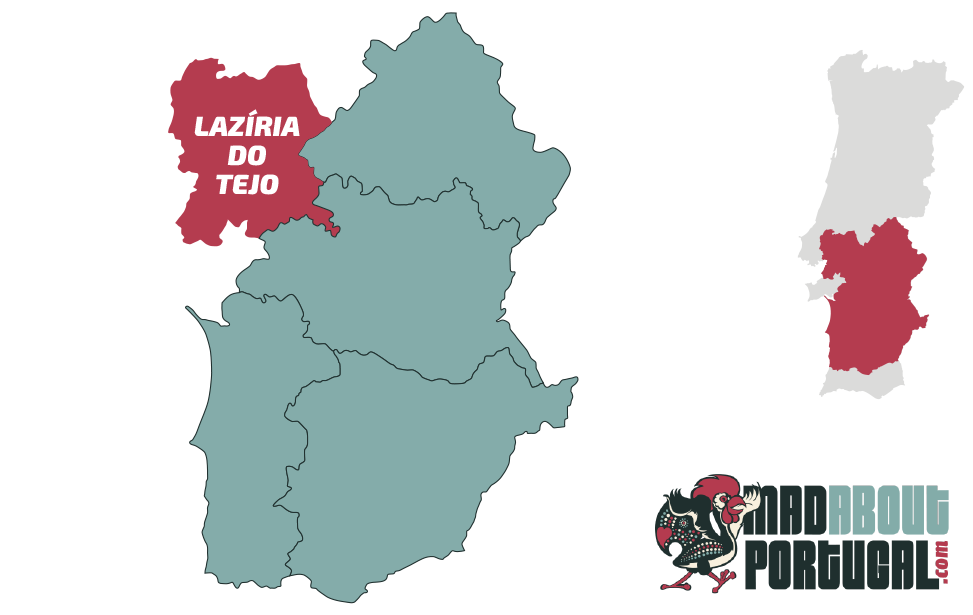
| Lezíria do Tejo Map © Mad About Portugal. All rights reserved.
The region called Lezíria do Tejo today is still referred to by many by its former name, Ribtejo. The landscape is flat and green, an agricultural heartland, a stark contrast to the arid Alentejo regions to the south. Lezíria do Tejo is the flood plain of the mighty river Tejo (Tagus) and is steeped in tradition. Here you will find breeders of the famous Lusitanian horses, bullfighting and a wine region growing in global appreciation. Portugal's cowboys, the campinos herd cattle and still dress in their traditional costume of green stocking caps, black knee breeches and a vibrant red waistcoat. The southern regions are fertile and where the largest estates can be found concentrating on wheat, olives, cork-oaks and animal husbandry. The north is more mountainous and drier. It is here farmsteads are smaller and produce figs, wine and citrus fruit.
Many of its small towns host energetic traditional festivals and celebrations following the harvest. Lezíria do Tejo has no border with Spain or a coastline. However, during the middle ages, the area was the frontline in the Reconquista against the Moors. Fairy-tale-like castles still stand where there was once a long line of defence across the land.
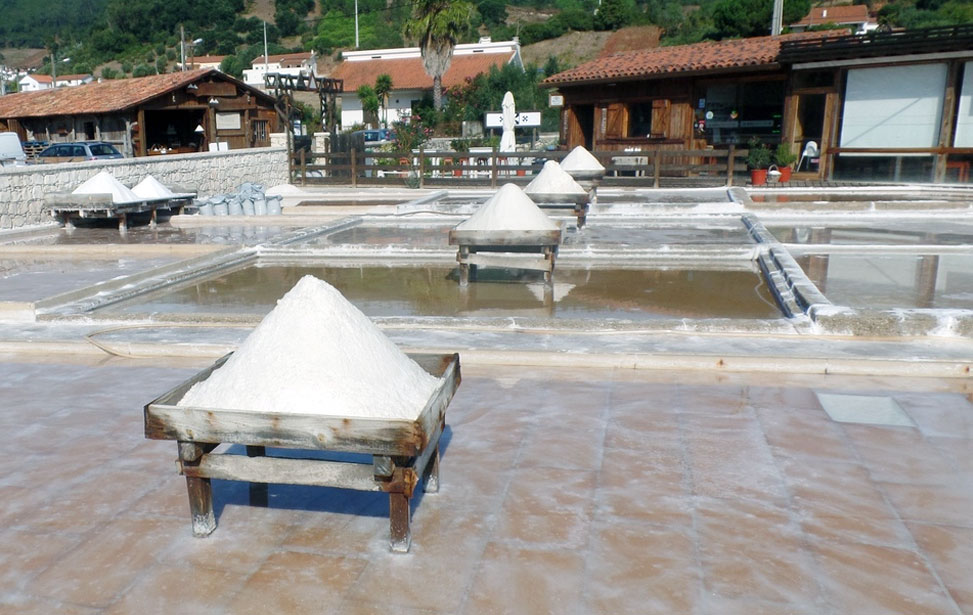
| Salinas Naturais de Rio Maior
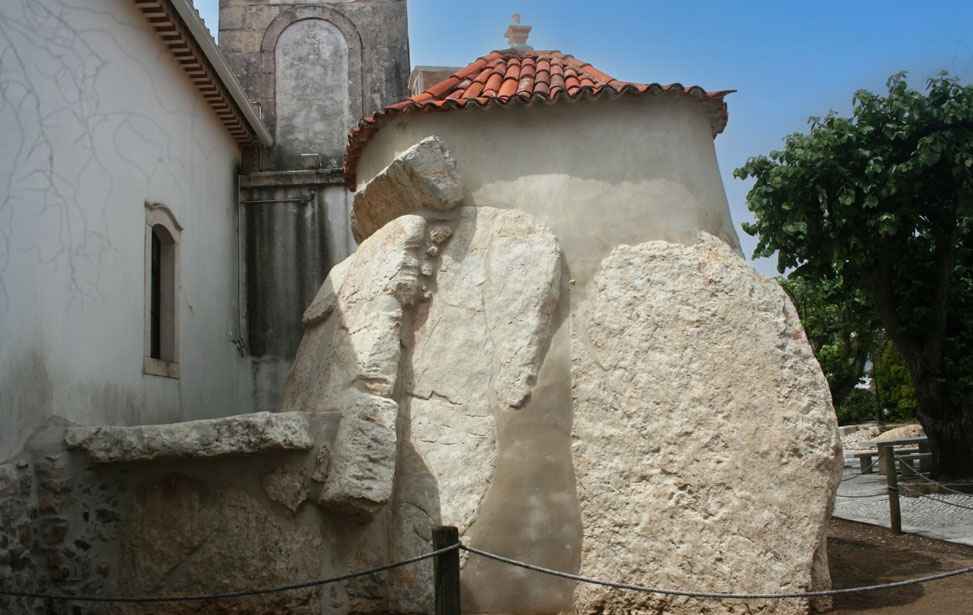
| Dólmen-Capela Igreja de Santa Maria Madalena
Rio Maior is found in the North East of the Lezíria do Tejo at the foot of the Natural Park of Serra d'Aire and Candeeiros. Renowned for curious geological features such as caves and salt flats. Evidence of Paleolithic, Neolithic, Roman and Arabic occupation can be found scattered across the landscape.
The sight of heaps of salt on land so far from the ocean seems unusual. Saline is trapped in the rocks below the ground well up to the surface to feed the salt pans. The salty waters are seven times saltier than seawater and are the remnants of an ancient ocean. There is a tourist office onsite where you can buy entrance tickets. There are also gift shops where you can purchase the salt and a choice of eateries.
Estr. das Salinas, 2040-133 Rio Maior, Portugal. | 39° 21' 52.2" N | 08° 56' 40.1" W
The Roman villa at Rio Maior was only unearthed in the 1990s. The ancient house dates back to the 4th Century AD. The site is an interesting example of luxury Roman living. Of particular interest are the well-preserved mosaic floors. There are baths and a temple at the site waiting to be excavated. There is a visitors centre and you can walk over the ruins within a newly built enclosure.
Rua Doutor Francisco Barbosa, 2040, Rio Maior, Portugal. | 39° 19' 58.5" N | 08° 56' 22.4" W
North of Rio Maior in the village of Alcobertas is a large dolmen that has been incorporated into a structure of the parish church. The dolmen dates back at least 4000 years with a chamber accessed via a corridor of granite stones. In the 15th century, a church was built around the ancient tomb where it now forms a side chapel with the addition of a small altar and tiled roof.
24 Av. da Igreja, 2040-015, Portugal. | 39° 25' 06.6" N | 08° 54' 12.9" W
The Serra dos Candeeiros is potted with caves and one of the best ones to visit is the Gruta de Alcobertas. Its four chambers are prized for their geological features as well as from an anthropological aspect. The caves were inhabited by ancient humans and remains have been found dating from the end of the Neolithic period, around 4,000 years ago. Gruta das, Alcobertas, Portugal. | 39° 25' 49.3" N | 08° 54' 57.0" W
Santarém is the regional capital of the Ribatejo and sits perched high upon its vantage point overlooking the Tejo valley. Santarém is one of the oldest settlements in Portugal. Named Scalabis, it was an important commercial centre of the Roman province of Lusitania. The Moors renamed the town Chanterein and also took advantage of the town's strategic position and strengthened the town's defences. They thought of themselves as unconquerable until Afonso Henriques with his hoard of foreign Crusaders took the town in 1147. Although nothing from the Roman or Moorish periods survives in Santarém. The wealth obtained during the middle-ages has resulted in a pleasant old town with interesting old churches, regal palaces, quaint little squares and narrow medieval streets to warrant a visit, if not a home for a few days. Local traditions are alive and well in Santarém, bullfighting is still practised and the best horses in Portugal are bred here. Campinos with their distinctive costume still herd cattle on large estates. Folk dancing, especially the fandango, is enjoyed in the region's many festivals and local produce is savoured in festivals and markets. [ More About ► ]

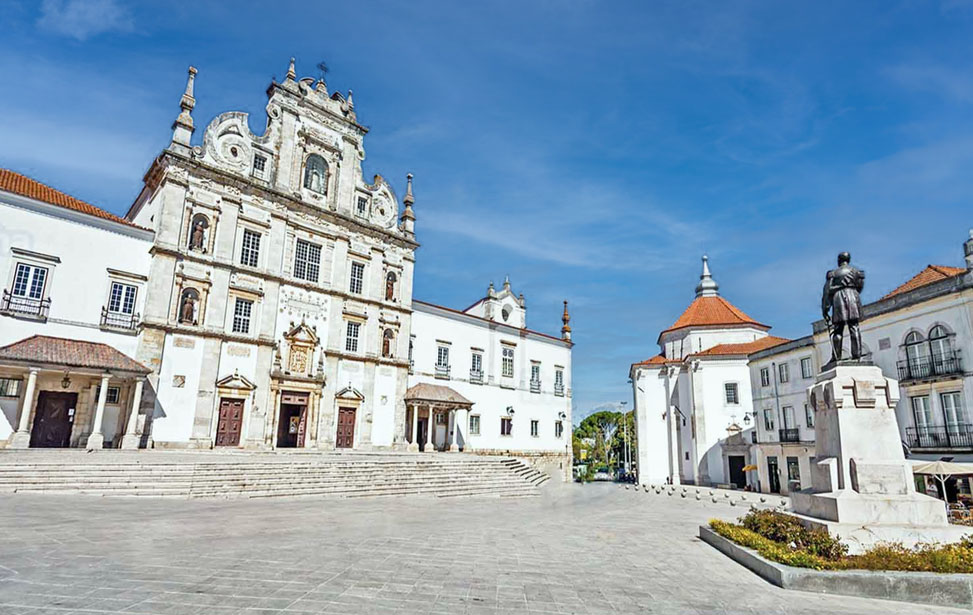
| Santarém
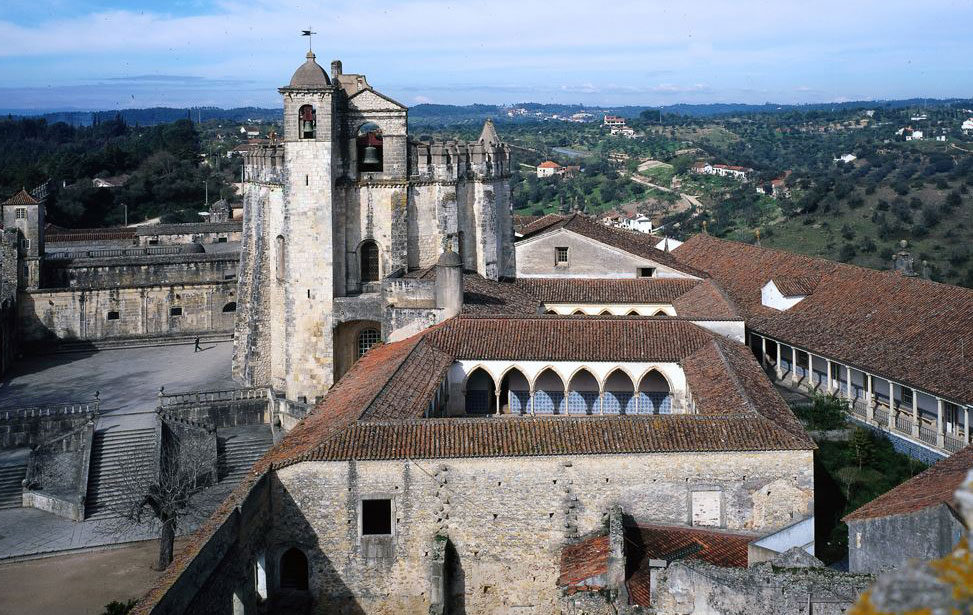
Explore the legacy of the Knights Templar in Tomar, on this private guided day trip from Lisbon. Perfect for history buffs and architecture fans alike. Alongside your local guide—who provides an insight you wouldn’t get alone—explore the Convento de Cristo, Tomar town and Almourol Castle after a short boat ride on the Tagus River, among other places of interest for a comprehensive experience. Enjoy a sweeping introduction to the history of the Knights Templar with included round-trip hotel or port transfers.
Book Online ►
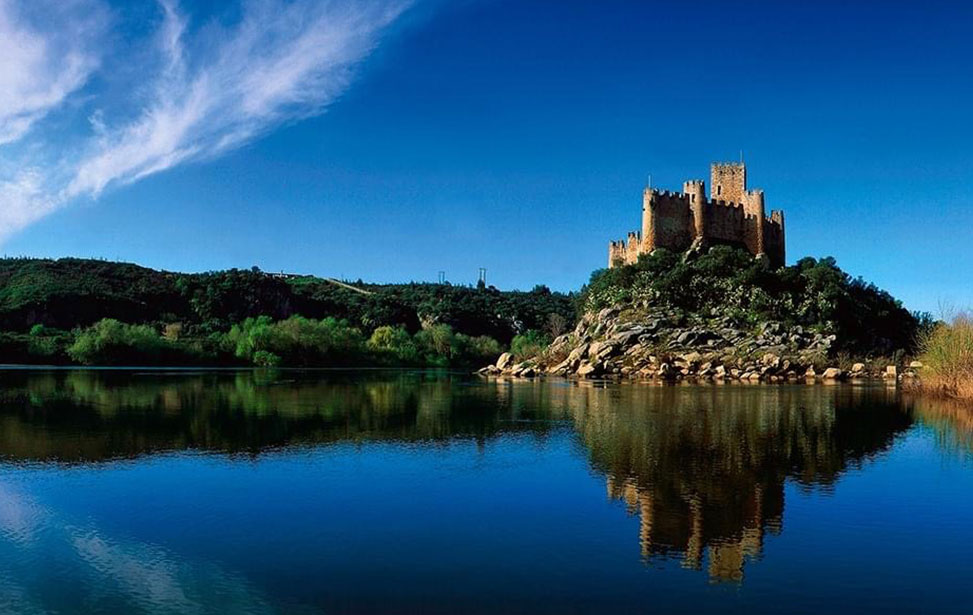
With this private tour, we intend to give you an experience of a lifetime with our professional suggestions and thus provide you with an amazing day in Tomar and the Ribatejo region. You will have the opportunity to choose between the best spots, gastronomy and historical sites available and organize a tour that best suits your wishes and needs. The private tours are designed to be more flexible so they can be adapted and customised in order to meet your needs and interests, our suggestions will result in an itinerary tailored to suit you. Hotel pickup and drop-off
Book Online ►
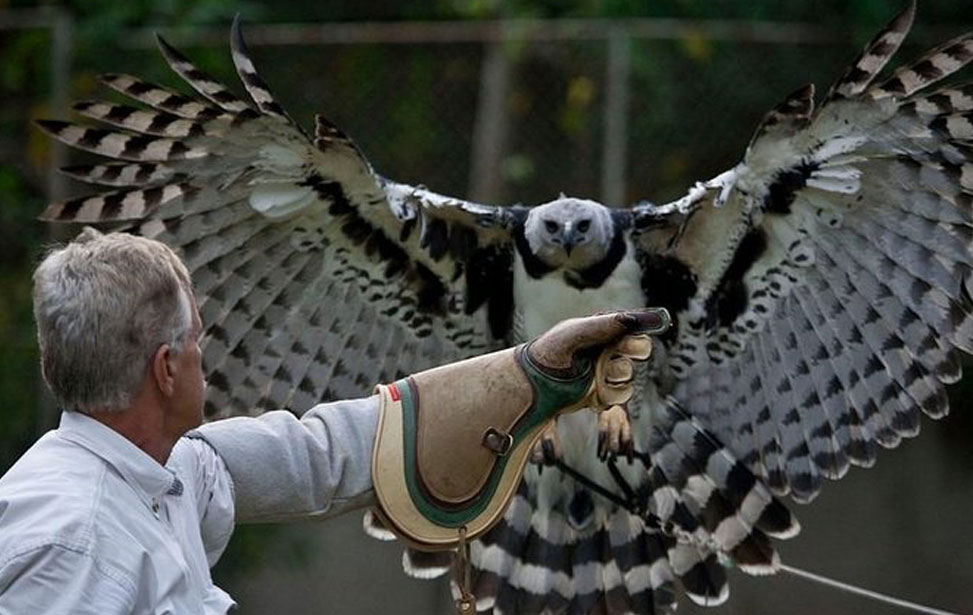
Visit the Rio Maior "Salinas", the only place in Portugal where there is salt and no sea. From there, we'll go to Santarém "Portas do Sol", a lovely garden, at the Santarém Wall, where we can take wonderful photos. After, we will go to Salvaterra de Magos, where we will visit the Royal Falconry and some other interesting spots. Escaroupim, a small fishing village will be the next port of call. Somewhere in between, we will enjoy lunch. Lisbon hotel pickup and drop-off.
Book Online ►
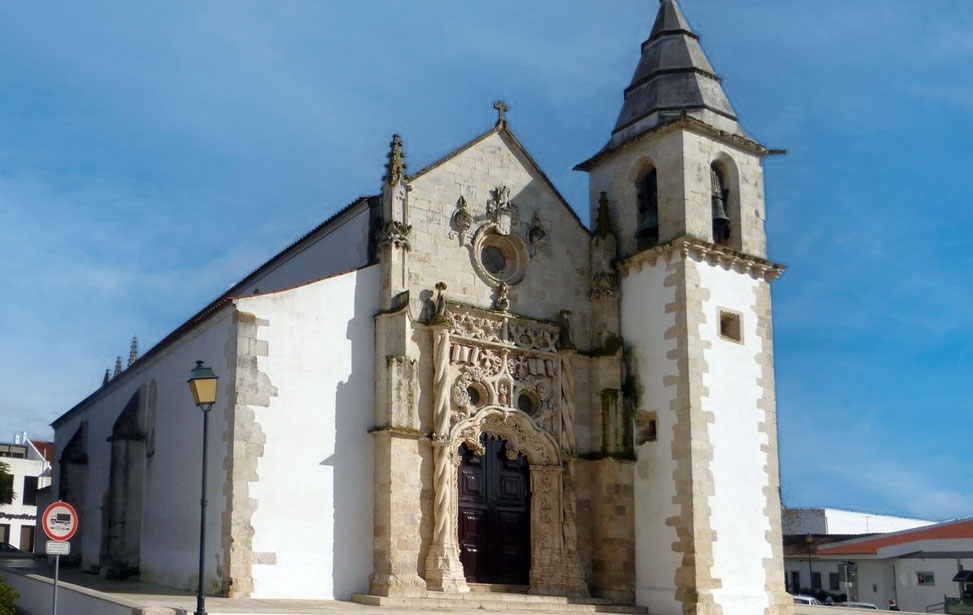
| Igreja de Nossa Senhora da Conceição – Golegã
Halfway between Tomar and Santarém the pleasant riverside town of Golegã is famed for being Portugal's Horse Capital. Every year the Feira Nacional do Cavalo (Horse Festival) is held in the first two weeks each November. The festival also includes running bulls through the streets. Grilled chicken is washed down with copious amounts of Água-pé, a diluted wine.
In the heart of town is the sixteenth-century Igreja Matriz with has an impressive Manueline portal. The façade of the church faces the town's pillory and town hall. The Riachos-Torres Novas-Golega train station is over four kilometres from the centre of town.

Lorem ipsum dolor sit amet, consectetur adipiscing elit, sed do eiusmod tempor incididunt ut labore et dolore magna aliqua. Dui id ornare arcu odio ut. Quis viverra nibh cras pulvinar mattis nunc sed blandit libero. Cursus turpis massa tincidunt dui ut ornare lectus sit. Enim lobortis scelerisque fermentum dui faucibus in ornare quam. Nisl condimentum id venenatis a condimentum vitae sapien. Felis eget velit aliquet sagittis id. Interdum velit euismod in pellentesque massa placerat duis ultricies. Montes nascetur ridiculus mus mauris vitae ultricies leo integer. Turpis massa tincidunt dui ut. Ut eu sem integer vitae justo. Imperdiet nulla malesuada pellentesque elit. Odio ut sem nulla pharetra diam sit amet nisl. Posuere lorem ipsum dolor sit amet consectetur. At elementum eu facilisis sed odio. Tellus in metus vulputate eu scelerisque. Tellus mauris a diam maecenas sed.
Tristique sollicitudin nibh sit amet commodo nulla facilisi nullam vehicula. In nulla posuere sollicitudin aliquam ultrices sagittis orci a. Volutpat lacus laoreet non curabitur. Erat imperdiet sed euismod nisi porta lorem mollis aliquam ut. Et netus et malesuada fames ac turpis egestas sed tempus. Quisque non tellus orci ac auctor augue mauris. Arcu bibendum at varius vel pharetra vel turpis nunc eget. Non consectetur a erat nam at lectus. Ut lectus arcu bibendum at varius vel pharetra vel turpis. Velit aliquet sagittis id consectetur purus. Tellus in hac habitasse platea dictumst vestibulum rhoncus est pellentesque. Scelerisque eleifend donec pretium vulputate sapien nec. Aliquam ultrices sagittis orci a scelerisque purus semper eget duis. Praesent tristique magna sit amet purus. Fames ac turpis egestas integer eget. Justo nec ultrices dui sapien eget.
Lorem ipsum dolor sit amet, consectetur adipiscing elit, sed do eiusmod tempor incididunt ut labore et dolore magna aliqua. Dui id ornare arcu odio ut. Quis viverra nibh cras pulvinar mattis nunc sed blandit libero. Cursus turpis massa tincidunt dui ut ornare lectus sit. Enim lobortis scelerisque fermentum dui faucibus in ornare quam. Nisl condimentum id venenatis a condimentum vitae sapien. Felis eget velit aliquet sagittis id. Interdum velit euismod in pellentesque massa placerat duis ultricies. Montes nascetur ridiculus mus mauris vitae ultricies leo integer. Turpis massa tincidunt dui ut. Ut eu sem integer vitae justo. Imperdiet nulla malesuada pellentesque elit. Odio ut sem nulla pharetra diam sit amet nisl. Posuere lorem ipsum dolor sit amet consectetur. At elementum eu facilisis sed odio. Tellus in metus vulputate eu scelerisque. Tellus mauris a diam maecenas sed.
Tristique sollicitudin nibh sit amet commodo nulla facilisi nullam vehicula. In nulla posuere sollicitudin aliquam ultrices sagittis orci a. Volutpat lacus laoreet non curabitur. Erat imperdiet sed euismod nisi porta lorem mollis aliquam ut. Et netus et malesuada fames ac turpis egestas sed tempus. Quisque non tellus orci ac auctor augue mauris. Arcu bibendum at varius vel pharetra vel turpis nunc eget. Non consectetur a erat nam at lectus. Ut lectus arcu bibendum at varius vel pharetra vel turpis. Velit aliquet sagittis id consectetur purus. Tellus in hac habitasse platea dictumst vestibulum rhoncus est pellentesque. Scelerisque eleifend donec pretium vulputate sapien nec. Aliquam ultrices sagittis orci a scelerisque purus semper eget duis. Praesent tristique magna sit amet purus. Fames ac turpis egestas integer eget. Justo nec ultrices dui sapien eget.
June - September, Daily: 10h00 - 19h00
Rua do Tâmega, nº 2245, 4600-909 Fregim, Amarante, Portugal
41° 14' 59.8" N | 08° 06' 28.4" W
+351 255 410 040
waterpark@tamegaclube.com | Website

| xxxxxxxxxx
| xxxxxxxxxx
Lorem ipsum dolor sit amet, consectetur adipiscing elit, sed do eiusmod tempor incididunt ut labore et dolore magna aliqua. Dui id ornare arcu odio ut. Quis viverra nibh cras pulvinar mattis nunc sed blandit libero. Cursus turpis massa tincidunt dui ut ornare lectus sit. Enim lobortis scelerisque fermentum dui faucibus in ornare quam. Nisl condimentum id venenatis a condimentum vitae sapien. Felis eget velit aliquet sagittis id. Interdum velit euismod in pellentesque massa placerat duis ultricies. Montes nascetur ridiculus mus mauris vitae ultricies leo integer. Turpis massa tincidunt dui ut. Ut eu sem integer vitae justo. Imperdiet nulla malesuada pellentesque elit. Odio ut sem nulla pharetra diam sit amet nisl. Posuere lorem ipsum dolor sit amet consectetur. At elementum eu facilisis sed odio. Tellus in metus vulputate eu scelerisque. Tellus mauris a diam maecenas sed.
Tristique sollicitudin nibh sit amet commodo nulla facilisi nullam vehicula. In nulla posuere sollicitudin aliquam ultrices sagittis orci a. Volutpat lacus laoreet non curabitur. Erat imperdiet sed euismod nisi porta lorem mollis aliquam ut. Et netus et malesuada fames ac turpis egestas sed tempus. Quisque non tellus orci ac auctor augue mauris. Arcu bibendum at varius vel pharetra vel turpis nunc eget. Non consectetur a erat nam at lectus. Ut lectus arcu bibendum at varius vel pharetra vel turpis. Velit aliquet sagittis id consectetur purus. Tellus in hac habitasse platea dictumst vestibulum rhoncus est pellentesque. Scelerisque eleifend donec pretium vulputate sapien nec. Aliquam ultrices sagittis orci a scelerisque purus semper eget duis. Praesent tristique magna sit amet purus. Fames ac turpis egestas integer eget. Justo nec ultrices dui sapien eget.
Posuere lorem ipsum dolor sit amet consectetur. At elementum eu facilisis sed odio. Tellus in metus vulputate eu scelerisque. Tellus mauris a diam maecenas sed. | [ More About ► ]
| xxxxxxxxxx
Lorem ipsum dolor sit amet, consectetur adipiscing elit, sed do eiusmod tempor incididunt ut labore et dolore magna aliqua. Dui id ornare arcu odio ut. Quis viverra nibh cras pulvinar mattis nunc sed blandit libero. Cursus turpis massa tincidunt dui ut ornare lectus sit. Enim lobortis scelerisque fermentum dui faucibus in ornare quam. Nisl condimentum id venenatis a condimentum vitae sapien. Felis eget velit aliquet sagittis id. Interdum velit euismod in pellentesque massa placerat duis ultricies. Montes nascetur ridiculus mus mauris vitae ultricies leo integer. Turpis massa tincidunt dui ut. Ut eu sem integer vitae justo. Imperdiet nulla malesuada pellentesque elit. Odio ut sem nulla pharetra diam sit amet nisl. Posuere lorem ipsum dolor sit amet consectetur. At elementum eu facilisis sed odio. Tellus in metus vulputate eu scelerisque. Tellus mauris a diam maecenas sed.
Tristique sollicitudin nibh sit amet commodo nulla facilisi nullam vehicula. In nulla posuere sollicitudin aliquam ultrices sagittis orci a. Volutpat lacus laoreet non curabitur. Erat imperdiet sed euismod nisi porta lorem mollis aliquam ut. Et netus et malesuada fames ac turpis egestas sed tempus. Quisque non tellus orci ac auctor augue mauris. Arcu bibendum at varius vel pharetra vel turpis nunc eget. Non consectetur a erat nam at lectus. Ut lectus arcu bibendum at varius vel pharetra vel turpis. Velit aliquet sagittis id consectetur purus. Tellus in hac habitasse platea dictumst vestibulum rhoncus est pellentesque. Scelerisque eleifend donec pretium vulputate sapien nec. Aliquam ultrices sagittis orci a scelerisque purus semper eget duis. Praesent tristique magna sit amet purus. Fames ac turpis egestas integer eget. Justo nec ultrices dui sapien eget.
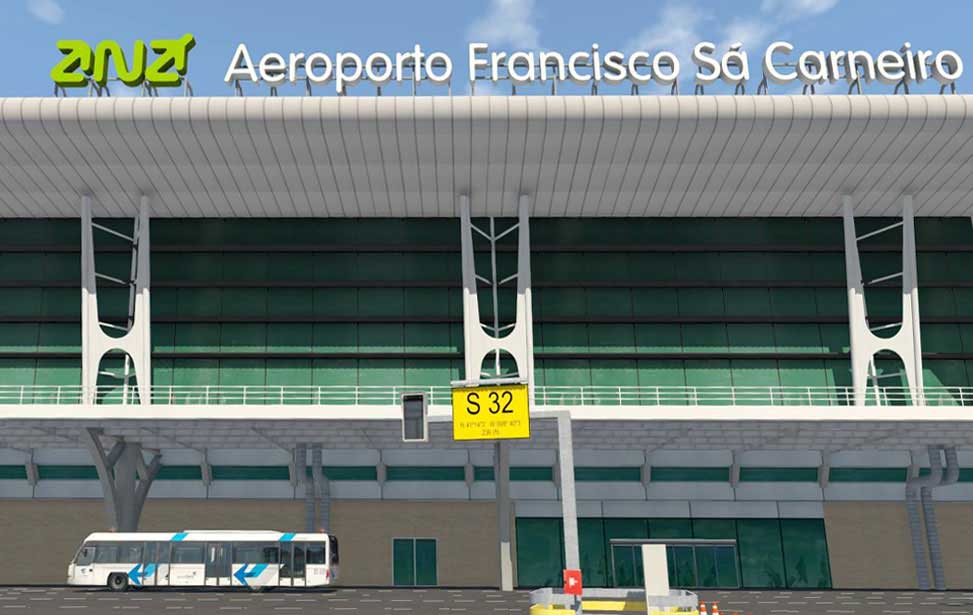
| After Lisbon airport Porto International is the second busiest airport in Portugal and has knocked Faro into third place. This is a reflection of Porto's rise to prominence both as a centre for commerce and as a tourist destination. Originally constructed in the 1940's the building has recently been modernised and boasts first class ammenities and transport links.
Website GET A GREAT DEAL ON FLIGHTS:
|
|
| Since joining the EU Portugal has seen a vast improvement in it's road network with the addition of fine motorway network which speedily take you from the major cities to the area you want to visit. In 2015, the country's road network was named as being the best in Europe and the second best in the world. For the more adventurous drivers there's plenty of more rural windy yet very scenic roads available such as the N222 which runs from Peso de Regua to Pinhao and has been voted as the top drive in the world.
GET A GREAT DEAL ON CAR HIRE:
|
|
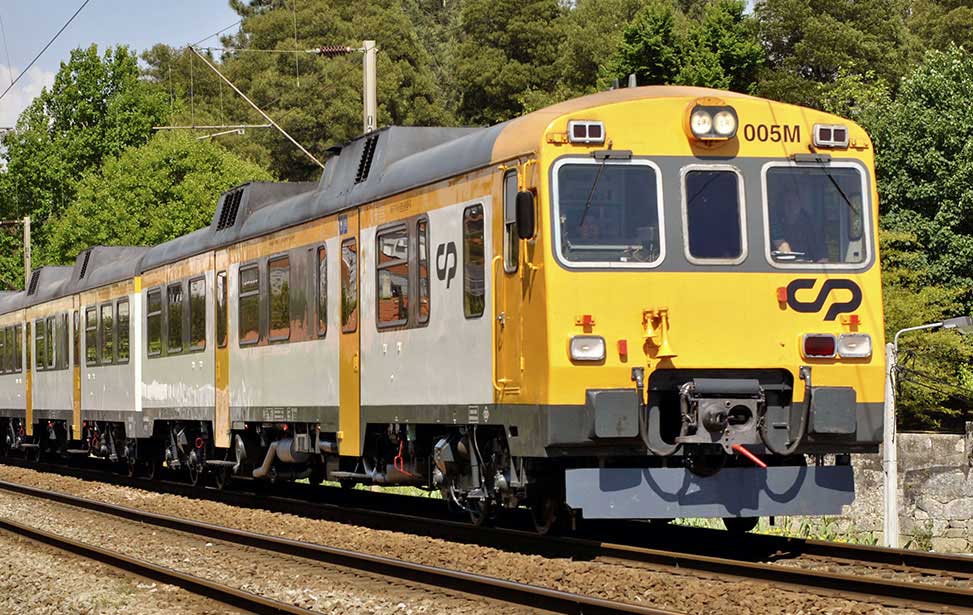
| Regular trains to Peso da Régua from Porto São Bento, use the Regional train service (comboios regionais) Linha do Douro: Train Timetable | Comboios de Portugal Website |
|
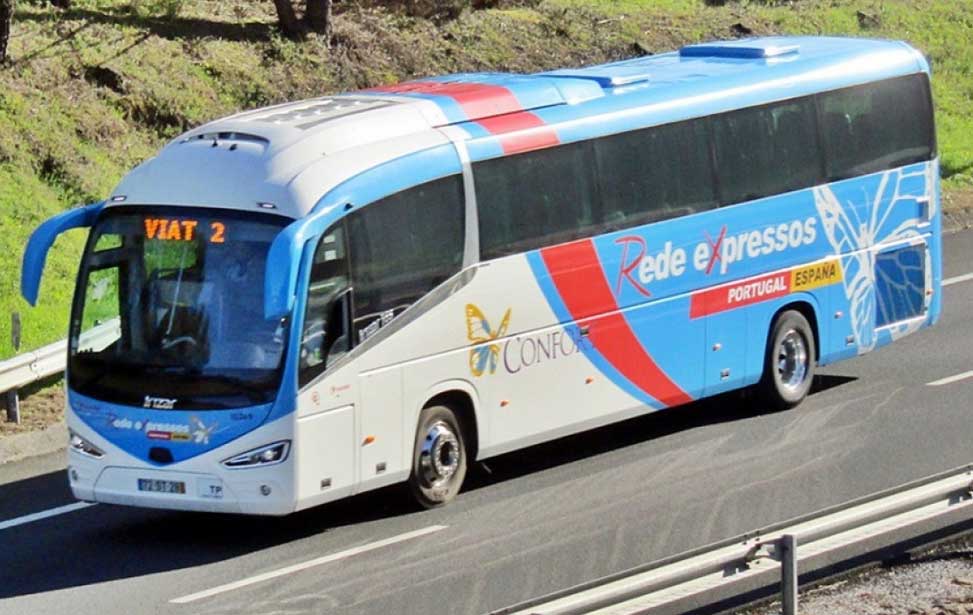
| • Rede Expressos run nationwide coach services within Portugal.
Website |
2025 © Mad About Portugal. All rights reserved | Privacy Policy



 Lisbon Card